Director Bùi Thạc Chuyên: Bringing Sunlight into Darkness
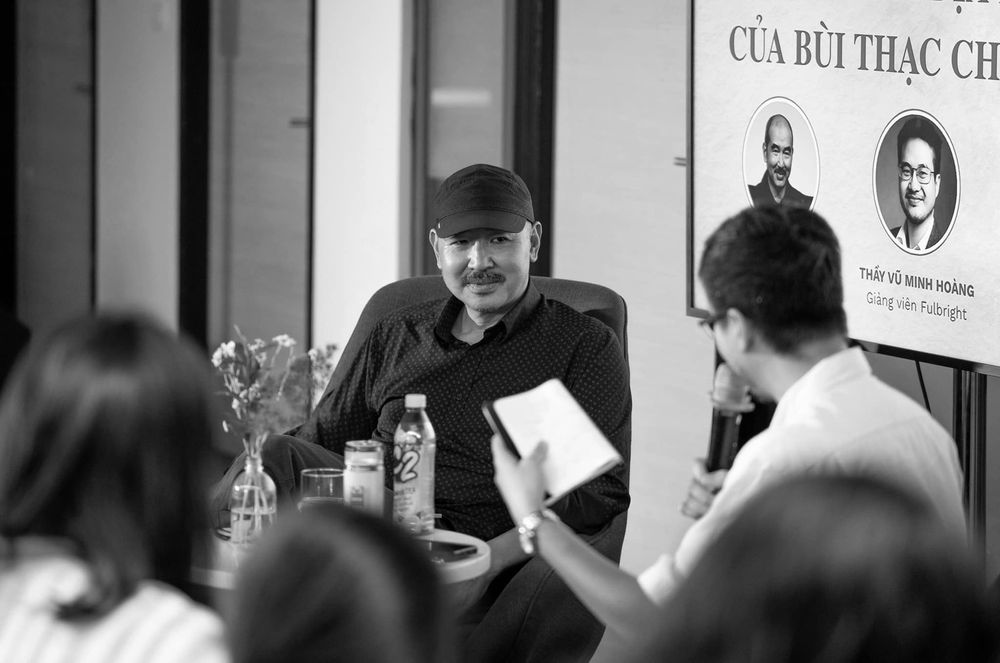
On April 14, as the opening event of Cinema Week, the Vietnam Studies Center at Fulbright University Vietnam, in collaboration with the Fulbright Digital Humanities Lab, hosted a conversation titled: “Reimagining History on Screen: The Journey of Địa Đạo with Director Bùi Thạc Chuyên.”
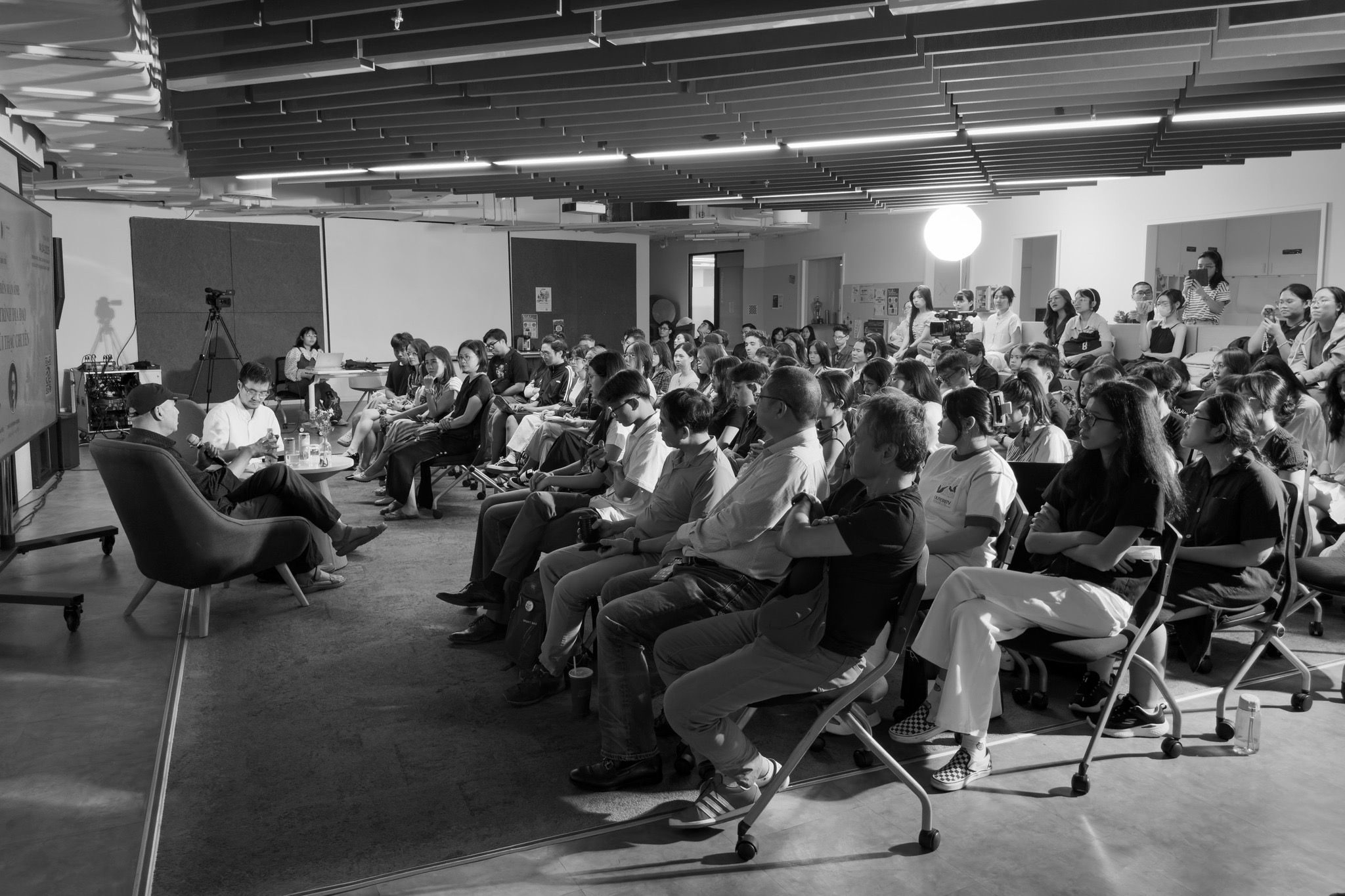
Director Bui Thac Chuyen shared his filmmaking journey with Fulbright students.
This event offered Fulbright students a rare opportunity to meet the acclaimed director behind this haunting film, listen to behind-the-scenes stories, and explore the deep challenges of portraying a fierce yet heroic chapter of Vietnamese history.
Guerrilla Warfare: When the People Became the Vanguard
Speaking to the audience, director Bùi Thạc Chuyên shared that what touched him most during the making of Địa Đạo was capturing the monumental achievement of the Củ Chi Tunnels — a feat built entirely by the hands, minds, and resilience of the Vietnamese people.
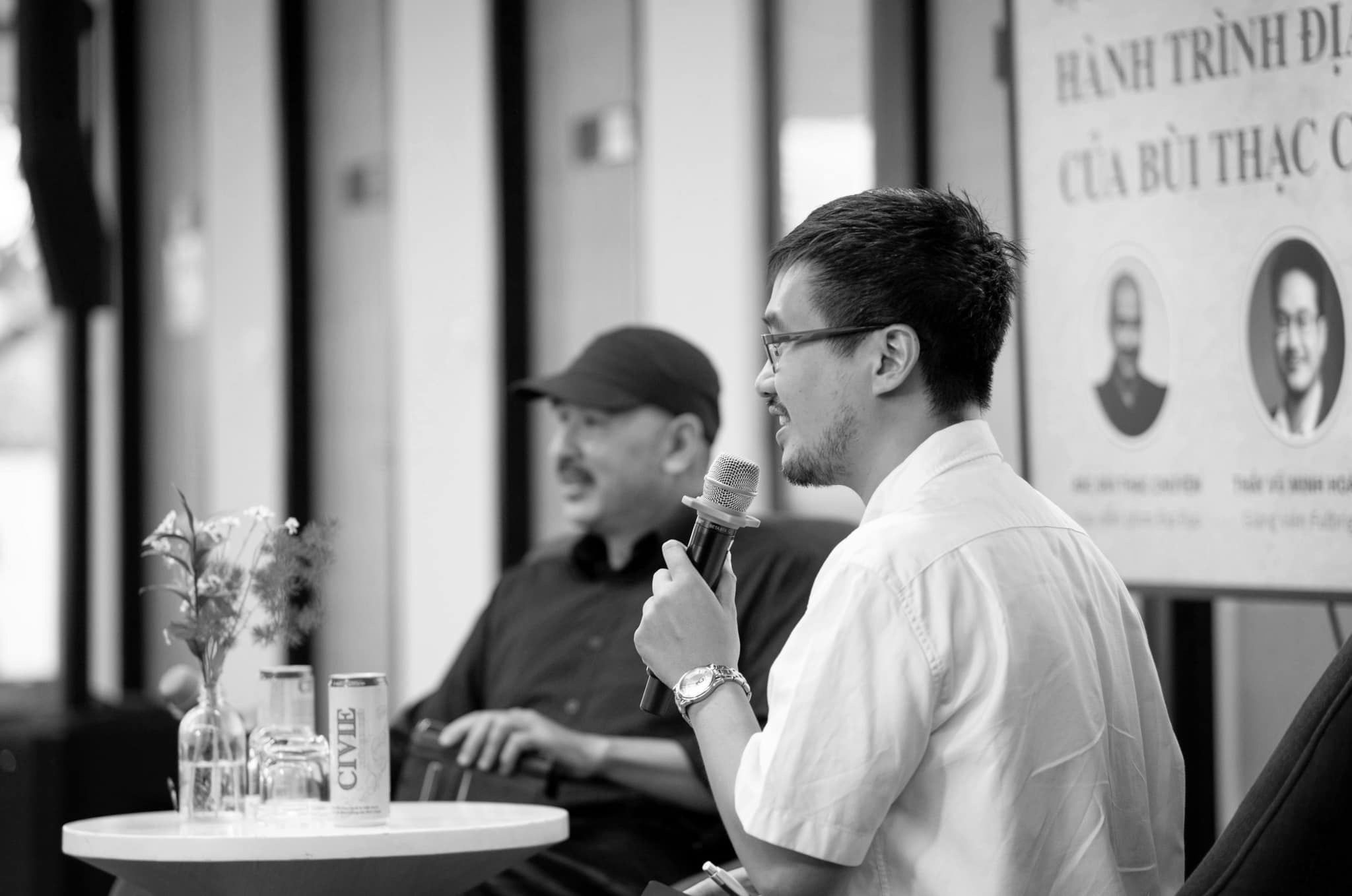
The discussion was led by Dr. Vu Minh Hoang, a key advisor of Digitizing Việt Nam.
In his view, what set the Củ Chi campaign apart was its nature as a true people’s war. Everyone contributed what they had — guns, bamboo traps, and most critically, unwavering spirit, unity, and determination.
“If we speak of strength, [the Americans] were certainly stronger, much stronger. The surface of Củ Chi was laid bare — trees and houses burned to the ground. Yet, the people remained. That was guerrilla warfare. That was people’s warfare. And that spirit of persistence is what the tunnels symbolize throughout the film: Hold on at all costs.”
The battle of Củ Chi stands as a profound testament to the guerrilla warfare model that Hồ Chí Minh and revolutionary leaders advocated — empowering grassroots forces to act independently and creatively. And once entrusted, the people fought with a remarkable ingenuity the world had never seen before.
The Củ Chi Tunnels: Architecture of Improvisation
More than a symbol of resilience and tactical brilliance, the Củ Chi tunnels embody a unique form of "organic" architecture — evolving day by day, shaped by urgent needs rather than rigid blueprints.
“Sometimes one would dig a tunnel branch and knock toward the other side, listening carefully. If sounds echoed back, it meant a tunnel was near — and they'd change direction to avoid colliding.”
For director Chuyên, filming within the tunnels posed a nearly insurmountable challenge: tight, dark, and stifling conditions made traditional cinematography almost impossible.
Thus, “Bringing Sunlight into Darkness” became not just a metaphor for the tunnels themselves, but also for the filmmaking effort — a journey to shed cinematic light on a subterranean history, hidden from the sun.
Love and Life Amidst Bombs and Gunfire
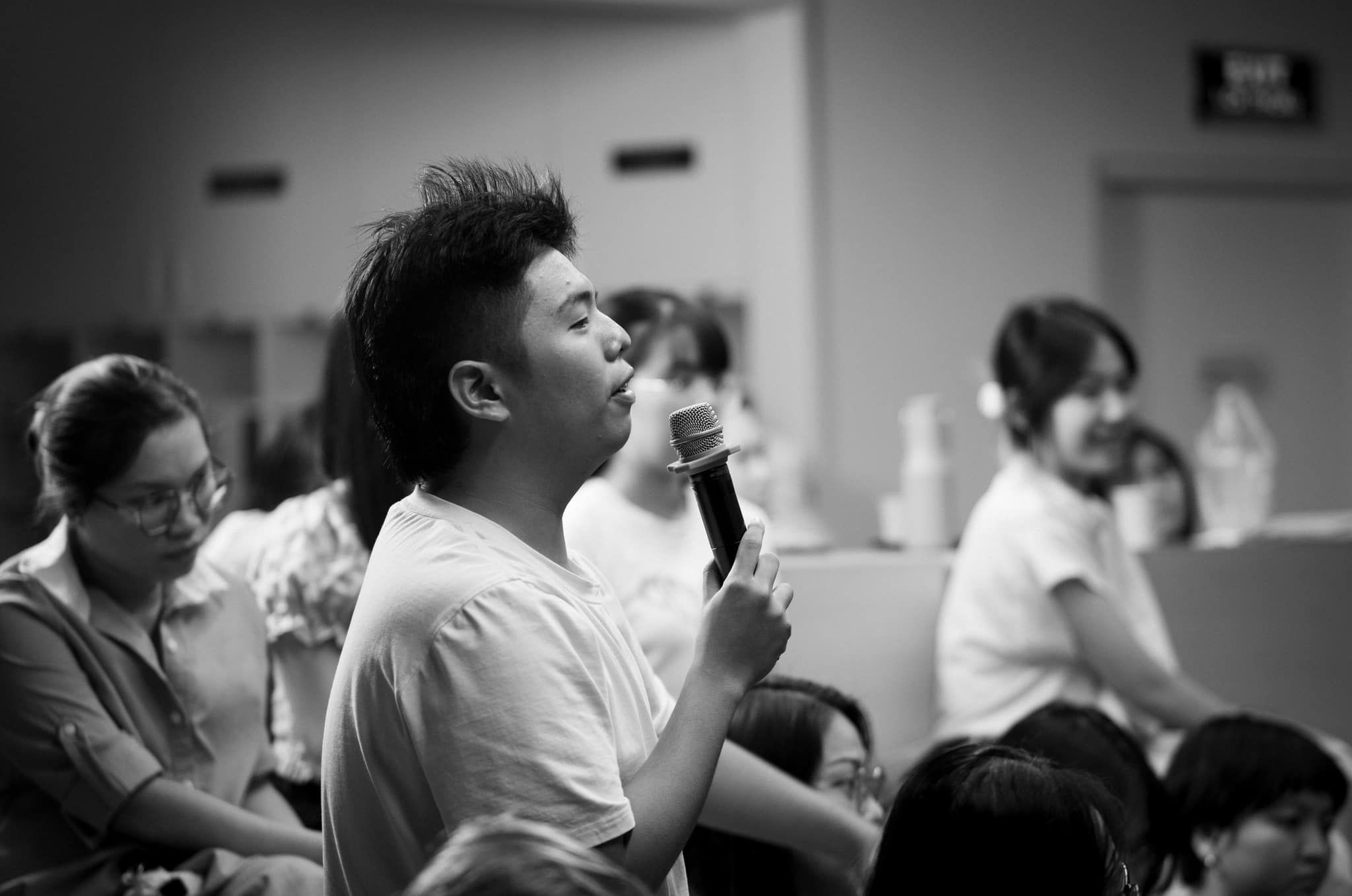
Fulbright students shared their curiosity about various details in the film.
When asked about the intimate scenes in Địa Đạo, the director responded candidly:
“A war film that’s only about fighting isn't truthful.”
Through in-depth interviews with living witnesses, he realized that behind the heroic narratives were countless everyday stories — deeply human, tender, and poignant.
Scenes of love, intimacy, and longing were integral to portraying the full spectrum of human experience during wartime. Soldiers were not mere fighters; they were people who loved, dreamed, and yearned for normalcy amidst chaos.
Regarding Út Khờ’s unborn child, director Chuyên deliberately left the question of paternity unresolved, embracing a documentary spirit that invites viewers to ponder and interpret.
A Duty to History and the Nation
“Marking 50 years of peace, I knew I had to do something meaningful.”
From the outset, Bùi Thạc Chuyên approached Địa Đạo not merely as a film project but as a mission to record living memory — by seeking out and listening to those who once lived and fought beneath the earth.
Many of them are no longer with us. In this sense, Địa Đạo serves as both a tribute and a spiritual legacy for future generations.
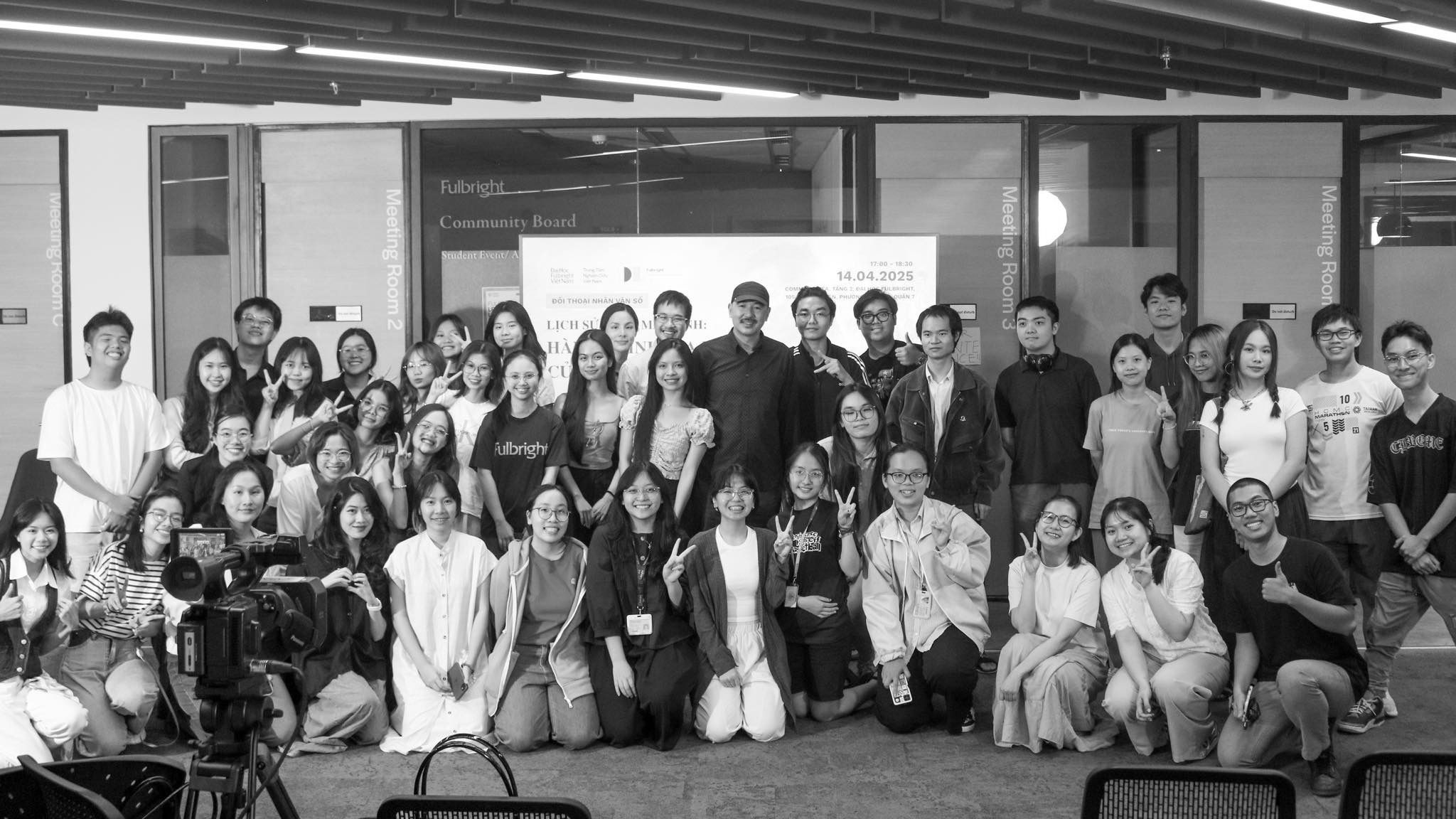
Fulbright students and staff took a souvenir photo with the director.
The film’s stark, emotional, and haunting imagery transported audiences back to a time when war raged fiercely — but so too did humanity and love. For today's youth, it offered a moving glimpse into the brutal realities and profound sacrifices of those who came before.