"Screen, War & Peace": Fractures & Connections
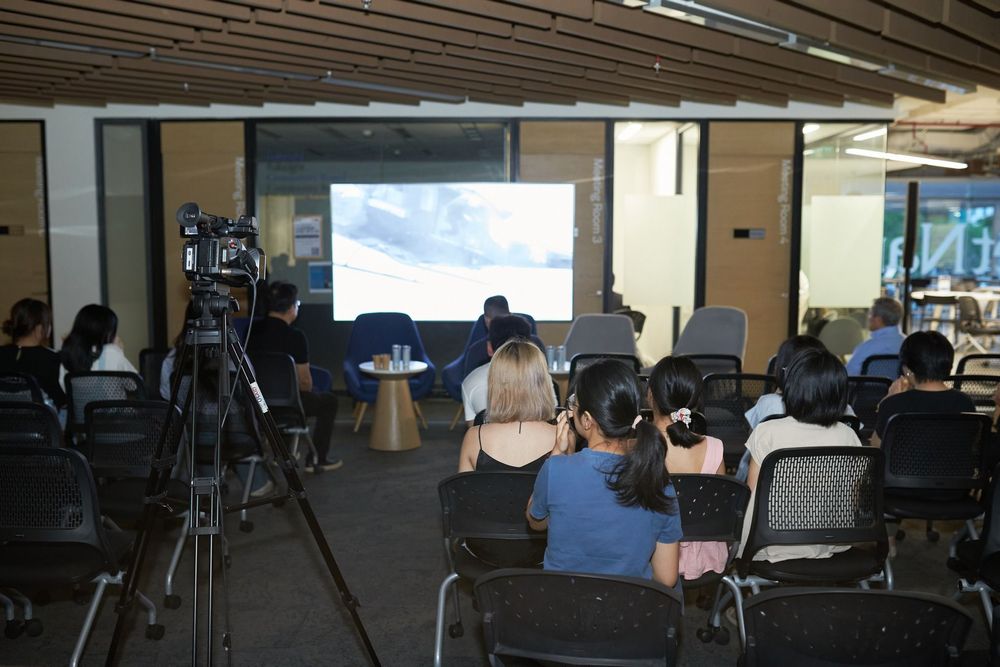
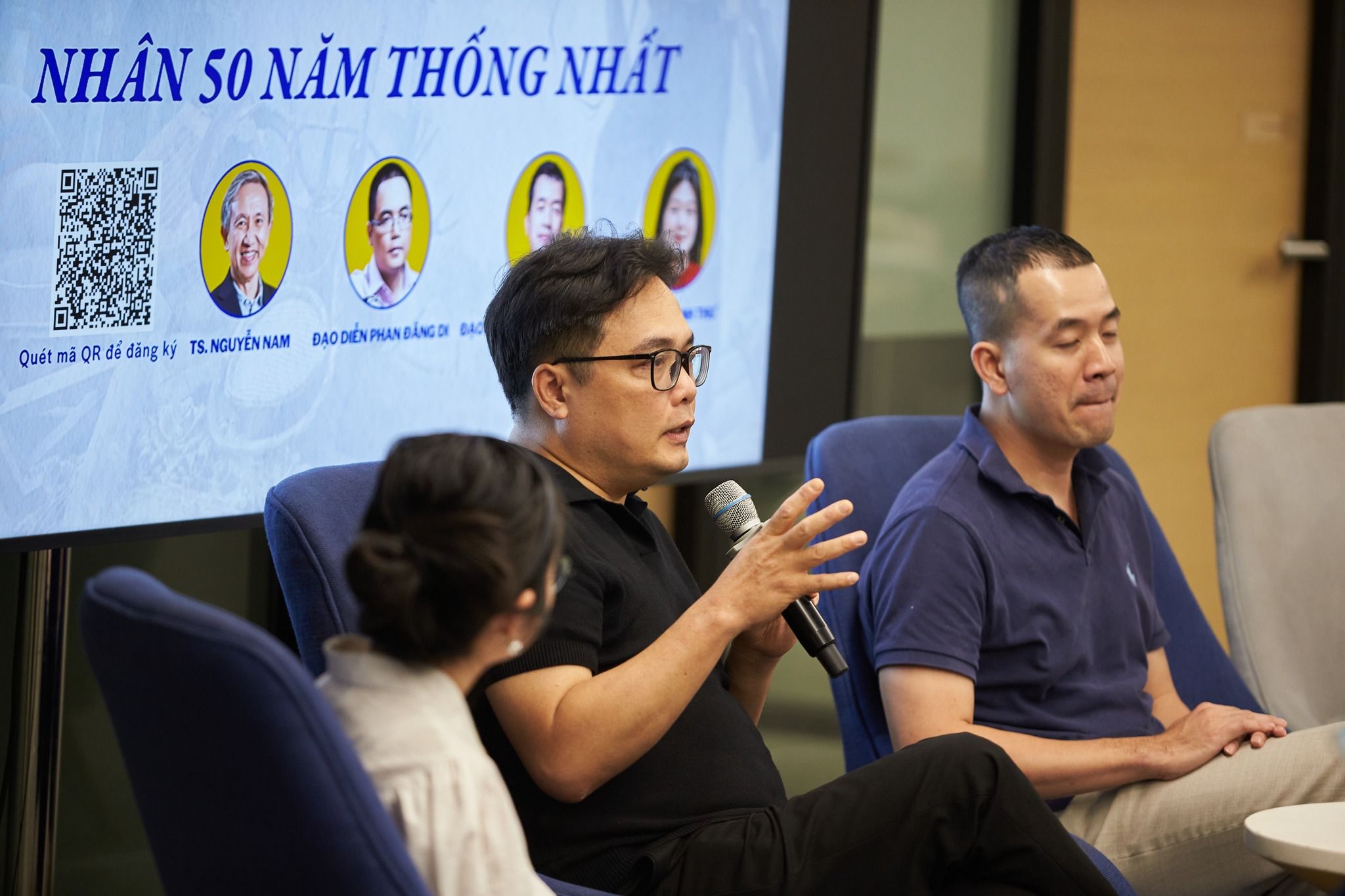
Following the conversation with director Bùi Thạc Chuyên during Fulbright University Vietnam’s Cinema Week, the roundtable "Screen, War, and Peace: Reflections on 50 Years of Reunification" took place on the evening of April 18, 2025, bringing together guests from across generations: directors Phan Đăng Di and Trịnh Đình Lê Minh, Dr. Nguyễn Nam, and student Nguyễn Anh Thư.
Through personal stories and cinematic memories, the discussion opened multiple avenues of reflection on how Vietnamese cinema portrays war—not only as a historical event but as an enduring trauma that continues to shape lives today.
Postwar Identities
Director Phan Đăng Di began with the image of the Vietnamese man across four stages of life—childhood, adulthood, middle age, and old age—captured subtly in his film Bi, Don’t Be Afraid! as a glimpse into postwar life.
"The postwar Vietnamese man is always chasing something unattainable," he shared. In Father and Son, he continued to explore generational fractures:
"Vietnamese society has an extraordinary ability to recover quickly, but it also has an enormous capacity for forgetting."
He emphasized that the lack of connection between generations is a quiet aftermath of the constant upheavals in national history—when memory is not fully passed down, and each generation becomes engrossed in its own separate world.
Women: Silent witnesses of history
While Phan Đăng Di portrayed postwar life through the lens of men, director Trịnh Đình Lê Minh led audiences toward the unspoken realities of postwar women.
In Goodbye Mother, the figure of the Vietnamese mother appears gentle yet resilient in her silence:
"She never complains, but her eyes reveal the depth of her love for her child."
In Once Upon a Time There Was a Love, he describes the film as a "fairy tale love story" and a journey of healing from the wounds of war memory.
"I treasure this work because it allowed me to explore the inner world of women—those who quietly choose between love and duty," he shared.
Throughout war and peace, in his cinematic perspective, women are the ones who mend the wounds of history with silent tenderness.

Gen Z & shared memory
Representing Gen Z at the roundtable, student Nguyễn Anh Thư from Quảng Trị shared her generation's sense of responsibility toward history:
"I grew up with my elders' words: 'Your mission is to live well.' Those words inspired me to tell the story of my hometown through educational tours and community projects."
For Thư, cinema is not only a means for young people to approach history but also a bridge for empathy with memories they never personally lived through—memories conveyed through images and emotions.

From a scholarly perspective, Dr. Nguyễn Nam emphasized:
"Cinema does not merely reflect war; it compels us to question national identity. Amid globalization and deglobalization, the most important thing remains the story of national identity."
For him, works like The Abandoned Field: Free Fire Zone (Cánh đồng hoang) and When the Tenth Month Comes (Bao giờ cho đến tháng Mười) demonstrate cinema’s ability to record "the humanity that survives war."
At the end of the roundtable, participants listened to an excerpt from The Sorrow of War about Kiên—the soldier who lives forever in the springtime of youth, love, and ideals:
"Unaffected by the erosion of forgetfulness, his soul forever lives in the springtime of feelings that have now faded or mutated. Thanks to this, he lives eternally in those painful yet glorious days, those unhappy yet deeply human days—days when we knew exactly why we had to enter the war, endure everything, and sacrifice everything. Days when everything was still young, pure, and sincere."
In this view, cinema—like literature—is a space where people select memories carefully, because there is too much to remember from a long, brutal war. The conversation invited young people to connect more deeply with the memories of older generations, to continue writing new pages from the ashes of war.