Tracing Vietnam Through Digital Ink: Digitizing The Past, Inspiring The Future
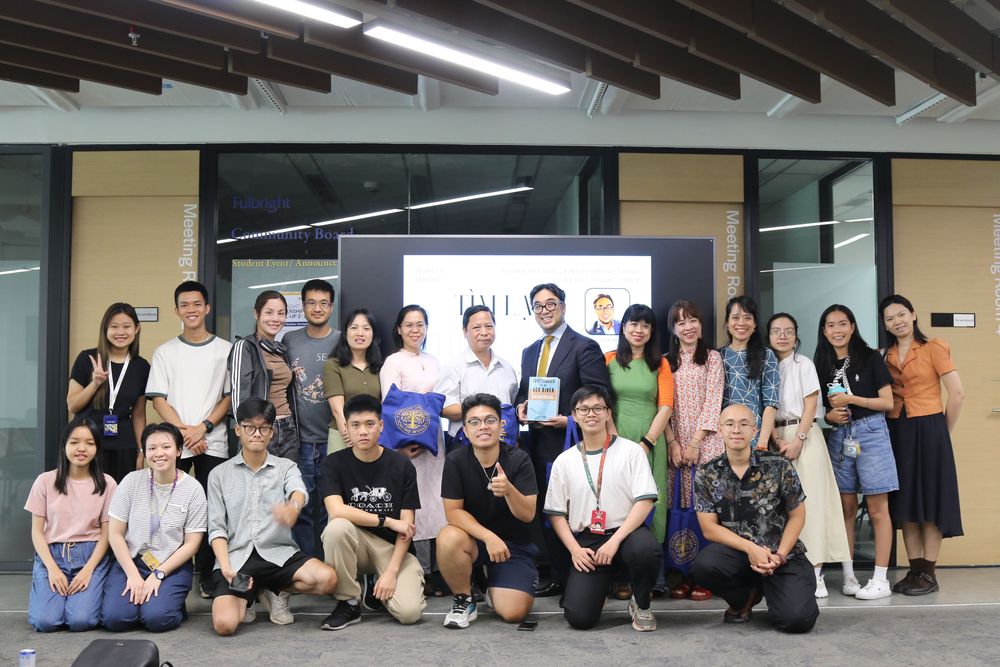
The Digitizing Vietnam project—a major digital humanities initiative dedicated to preserving and promoting Vietnamese heritage—officially launched its public website on April 11, 2025, during the event “Tongues Lost & Found: Preserving Vietnamese Heritage for Future Generations” at Fulbright University Vietnam.
A collaborative effort between the Vietnam Studies Center and the Weatherhead East Asian Institute at Columbia University, Digitizing Vietnam is supported by the Henry Luce Foundation. The project aims to provide open access to a growing body of digitized Vietnamese cultural materials while equipping researchers, educators, and the public with powerful tools for engagement.
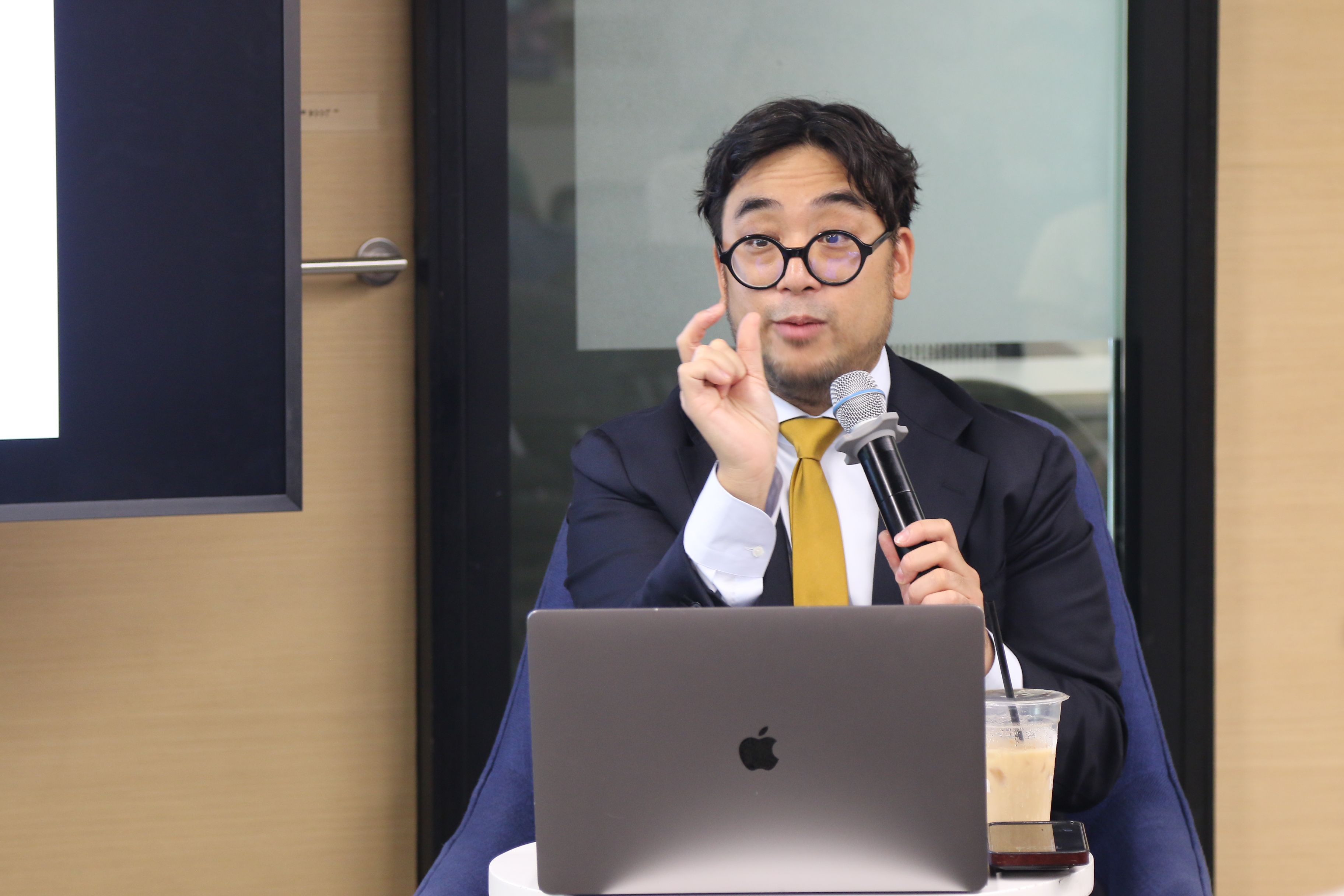
Prof. John Phan discussed his latest work on the Vietnamese language.
The launch event featured keynote speaker Professor John Phan (Columbia University), whose presentation “Lost Tongues of the Red River: Annamese Middle Chinese and the Origins of the Vietnamese Language” highlighted the rich, multilingual origins of Vietnamese and challenged monolithic views of national linguistic identity.
At the center of the event was the unveiling of the Digitizing Vietnam platform, which houses:
- A comprehensive digital archive of premodern Sino-Nom texts and modern Vietnamese cultural documents;
- A suite of cutting-edge research tools to support annotation, translation, and philological inquiry;
- A growing pedagogical library connecting academic research with classroom and public education.
Featured Collections
The platform currently showcases a wide range of collections, including:
- Language. Script. Philology
Featuring research by Prof. Dr. Sc. Nguyễn Quang Hồng on Vietnamese linguistics, scripts, and philology. - Ethnic Groups in Vietnam: Language and Culture
Exploring the linguistic and cultural diversity of Vietnam’s ethnic communities. - Essence of Vietnamese Literature and Language
A curated body of scholarship on Vietnamese literary and linguistic traditions. - Nữ Giới Chung (Women’s Bell)
A digitized version of the first women’s newspaper in Vietnamese press history. - The Tale of Kiều
A searchable archive with high-resolution scans of rare editions, including one dating back to 1866. - The Tale of Lục Vân Tiên
Includes a special manuscript edition (1866–1873) from Mrs. Châu Anh Phụng’s collection in Bến Tre. - Oral History of Trịnh Công Sơn
Audio-visual materials featuring recollections from friends and family of the late composer. - Vietnam In Still Shots
A photographic collection capturing diverse regional landscapes and communities donated by Heritage Magazine.
Noteworthy contributions also include rare film and manuscript materials, such as a special edition of the 1924 adaptation Kim Vân Kiều, which offer critical value for studies in adaptation and cultural continuity.
Tools and Technologies
Digitizing Vietnam is also developing a number of digital tools to support researchers and students alike:
- Kiều Tool
Annotated Nom characters for each edition of The Tale of Kiều; features like sentence comparison and unique sentence indexing are in development. - Sino-Nom Dictionaries
Including annotated dictionaries by Prof. Nguyễn Quang Hồng, Father Trần Văn Kiệm, the Taberd Dictionary (Dictionarium Anamitico-Latinum), and others. - Image OCR Platform
A tool designed to extract text from historical images and scanned documents, enhancing access for scholars working with visual materials.
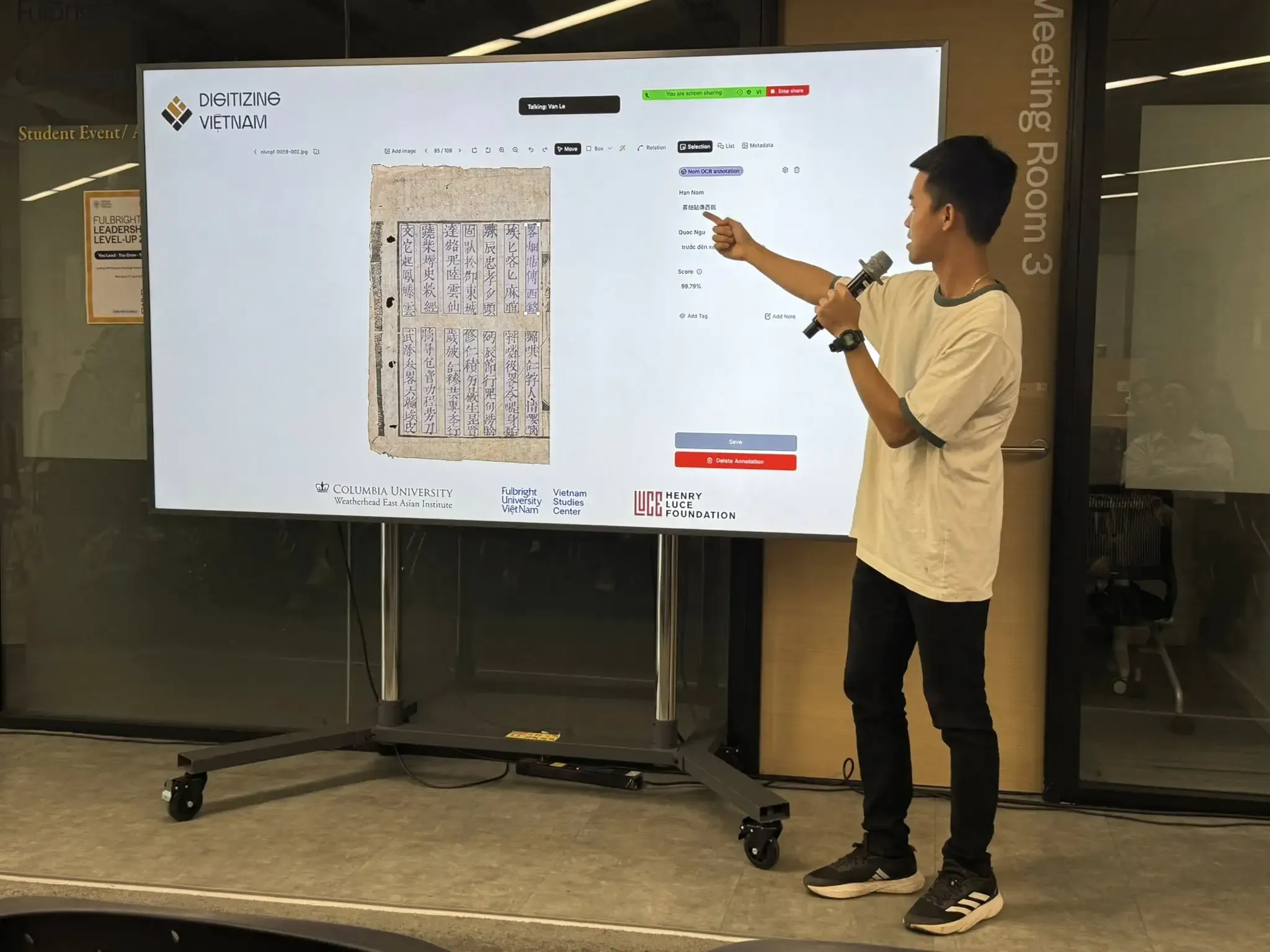
Fulbright Computer Science alumnus Lê Hoàng Phúc, Digitizing Việt Nam Core Team Member, demonstrated how the Image OCR Platform works.
A Shared Effort Toward Cultural Stewardship
The event also welcomed Associate Professor Dr. Đinh Điền, who led a live demonstration of Kim Hán Nôm, a Sino-Nom translation tool developed at the University of Science (VNU-HCM). Earlier this year, Digitizing Vietnam contributed 4.7 TB of Sino-Nom data from Columbia University’s archives to enhance the tool’s recognition and translation capabilities.
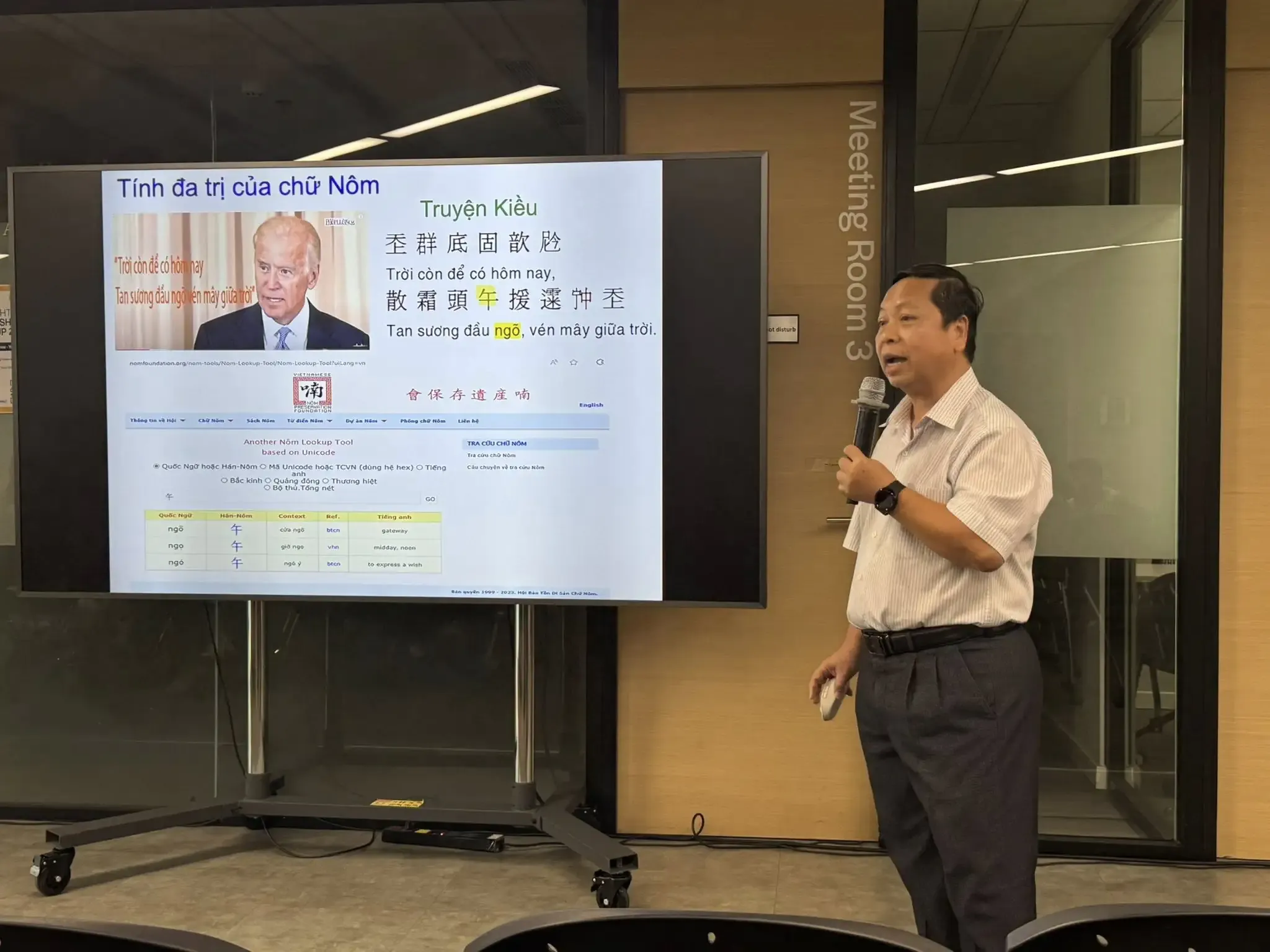
The event also welcomed Associate Professor Dr. Đinh Điền, who directly guided the audience in using the Sino-Nom translation tool developed by the University of Science, VNU-HCM.
This translation tool is now housed in the platform’s Digital Humanities Tools Library, where it is accessible for further scholarly use and community improvement. Researchers are encouraged to contribute annotation data to continuously refine its accuracy and functionality.
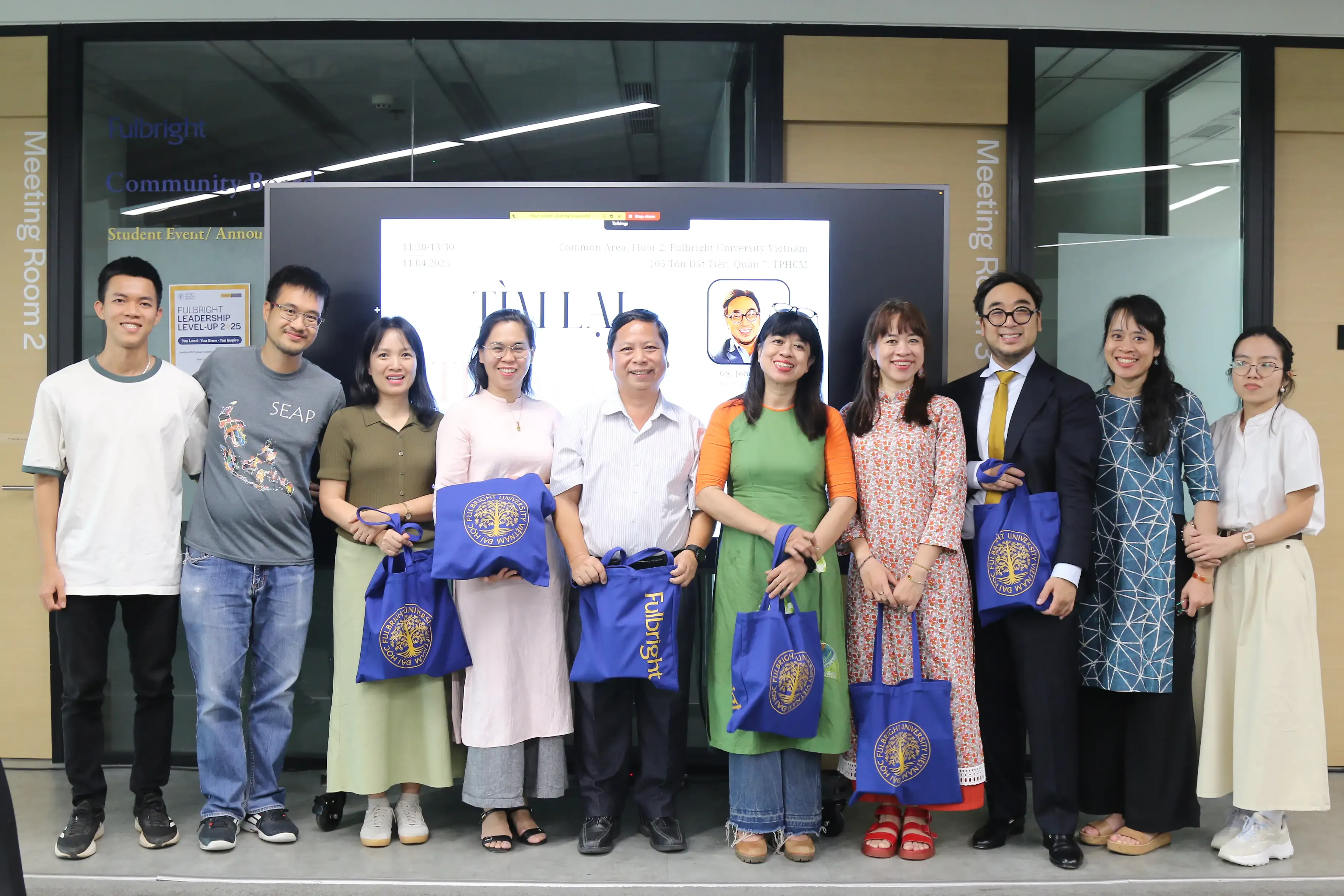
The core team along with advisors & donors
By combining rigorous research, rare archival content, and open-access digital tools, Digitizing Vietnam opens new pathways for learning and re-engagement with the country’s complex cultural and linguistic heritage. The project affirms that even in the digital age, Vietnam’s stories—etched in woodblocks, whispered in verse, and preserved in memory—can be traced through digital ink.