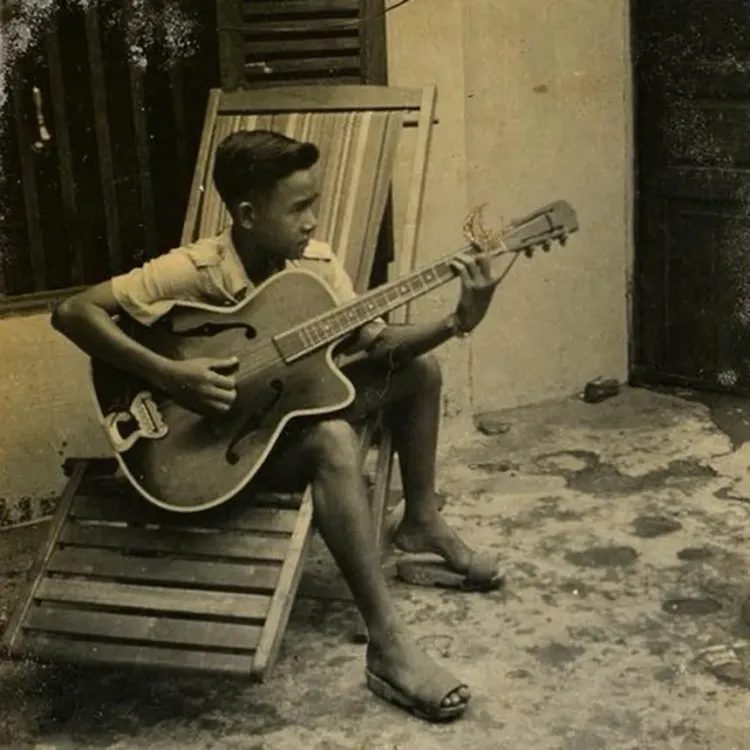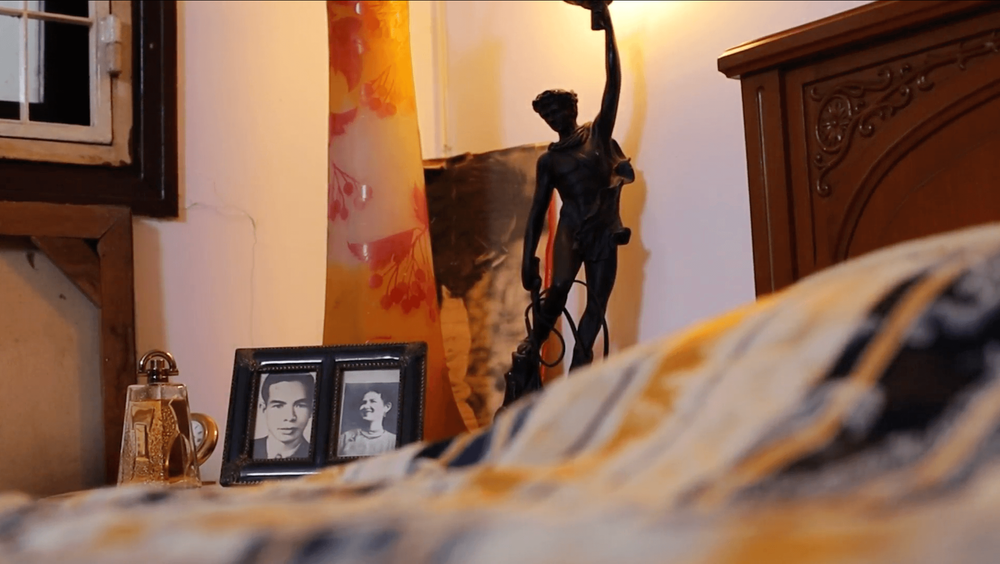
To commemorate the 24th anniversary of composer Trịnh Công Sơn’s passing, the Vietnam Studies Center, in collaboration with the Trịnh Công Sơn family, launches the podcast series Trịnh Công Sơn Của Tôi & Của Chúng Ta. Episode #1, titled “Căn nhà ta nằm nhỏ” (a lyric from the song Như một hòn bi xanh), features guest Trịnh Vĩnh Trinh, the composer’s youngest sister, and is now available on Spotify. This opening episode offers a rare, intimate portrait of Trịnh Công Sơn’s early life. Through Trịnh Vĩnh Trinh’s recollections, listeners are invited into the family home and the formative experiences that shaped his music: from composing his first song “Sương đêm” with a guitar gifted by his mother, to his friendship with cultural icons Nguyễn Tuân and Văn Cao, and his life at 47C Phạm Ngọc Thạch. The episode also highlights his gentle yet principled role as an older brother, and the Buddhist roots of his compassion and forgiveness.
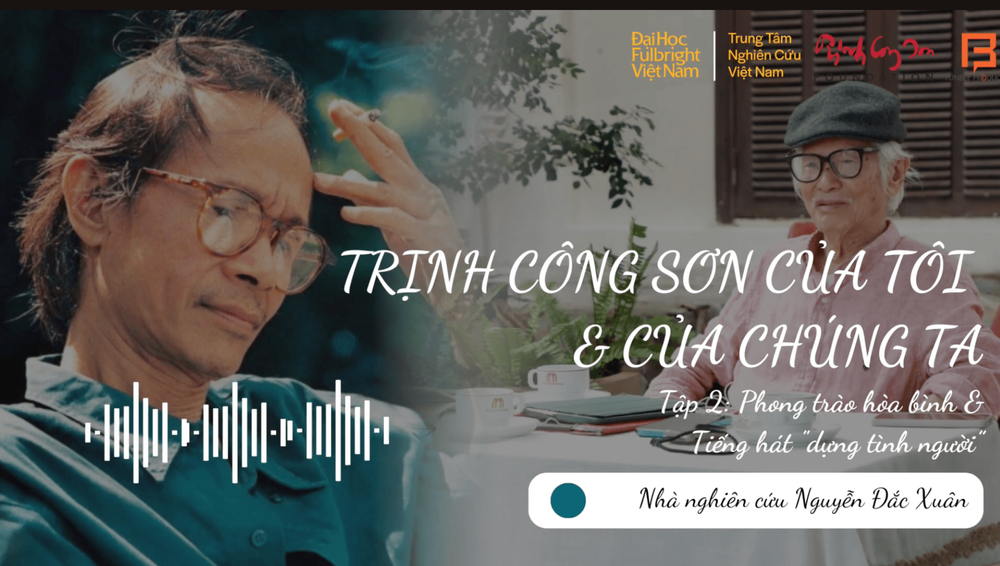
Researcher Nguyễn Đắc Xuân recalls his encounters with musician Trịnh Công Sơn against the backdrop of the peace movements of the mid-1960s. From the unforgettable night of April 30, 1966 in Đà Lạt—when he, Father Nguyễn Ngọc Lan, and Trịnh Công Sơn shared a deep sense of “the helplessness of life”—to later memories in his Huế home filled with books, documents, and portraits of the composer, the story evokes the atmosphere of a turbulent era marked by existential anxieties, anti-war ideals, and the yearning to build peace. Through these recollections, listeners witness the convergence of different paths chosen by young intellectuals of the time, as well as the profound influence of figures such as Phạm Duy, Thích Nhất Hạnh, and Ngô Kha on Trịnh Công Sơn’s anti-war philosophy.
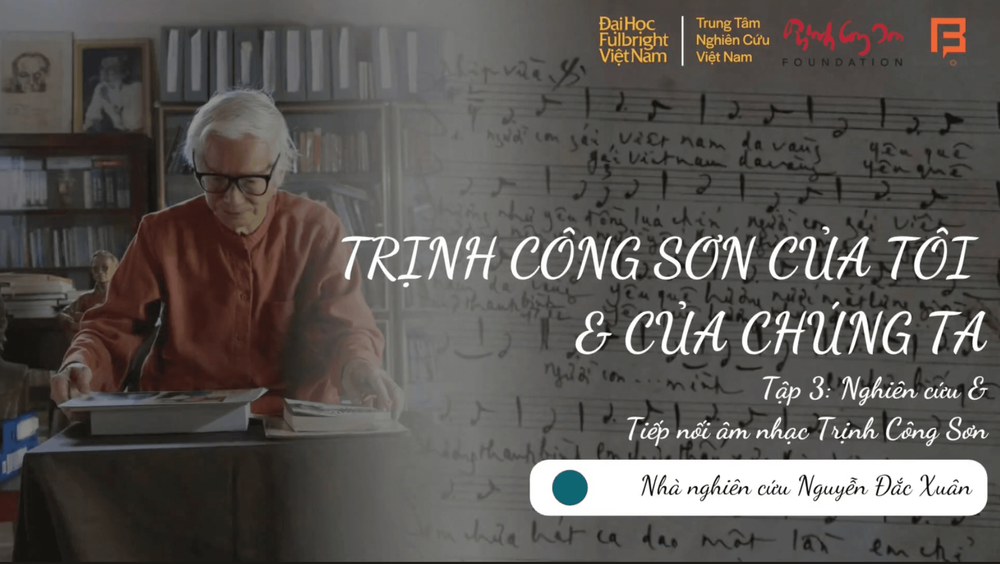
This interview features researcher Nguyễn Đắc Xuân sharing insights about his journey in collecting and studying the music and heritage of Trịnh Công Sơn. The conversation delves into Xuân's research journey and his efforts to rediscover "Tiếng hát dã tràng," Trịnh Công Sơn's longest composition. Originally created for a music event at Quy Nhơn Teacher's College, the song was lost over time. Nguyễn Đắc Xuân attempted to reconstruct it by inviting former choir members to sing individual segments, but this effort failed. Eventually, he met a friend who, by chance, still possessed a copy of the song, leading to its rediscovery.
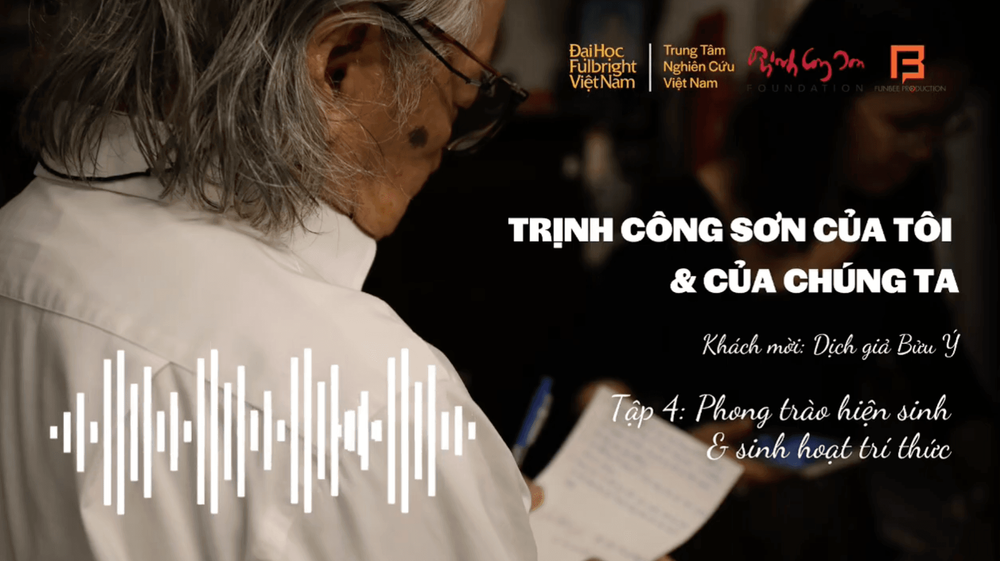
This interview features translator Buu Y sharing his personal recollections regarding Trinh Cong Son.
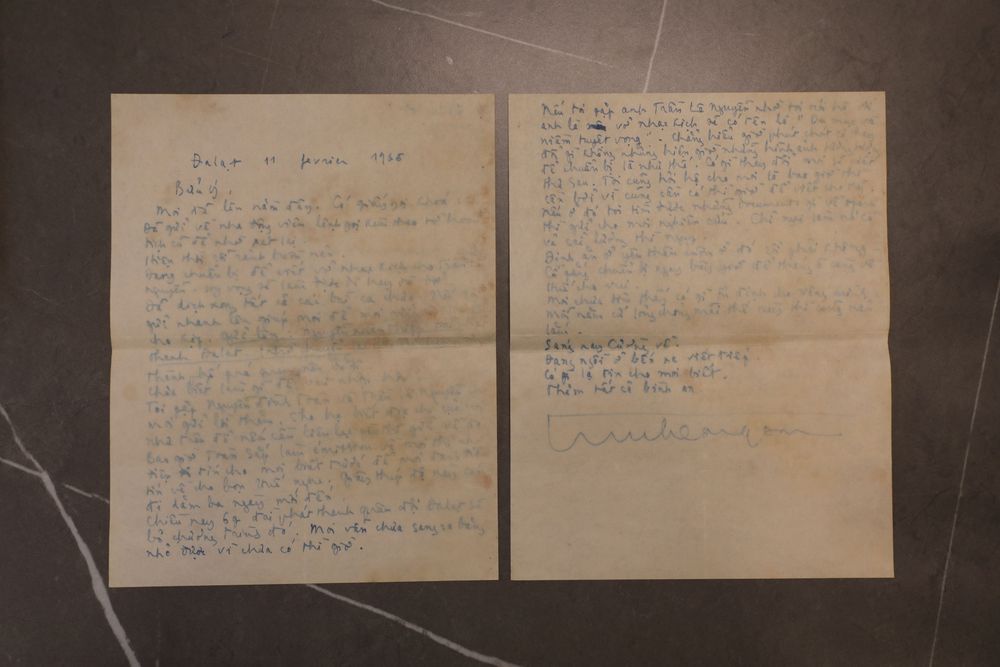
Letter from Trinh Cong Son to Buu Y, written in Dalat on February 11, 1966.
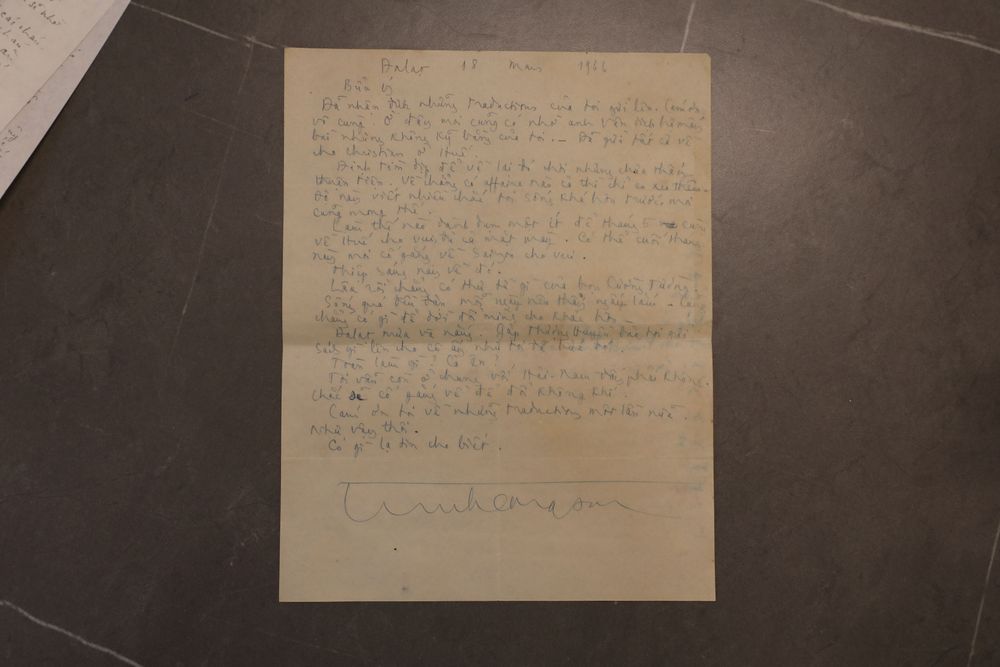
Letter from Trinh Cong Son to Buu Y, written in Dalat on March 18, 1966.
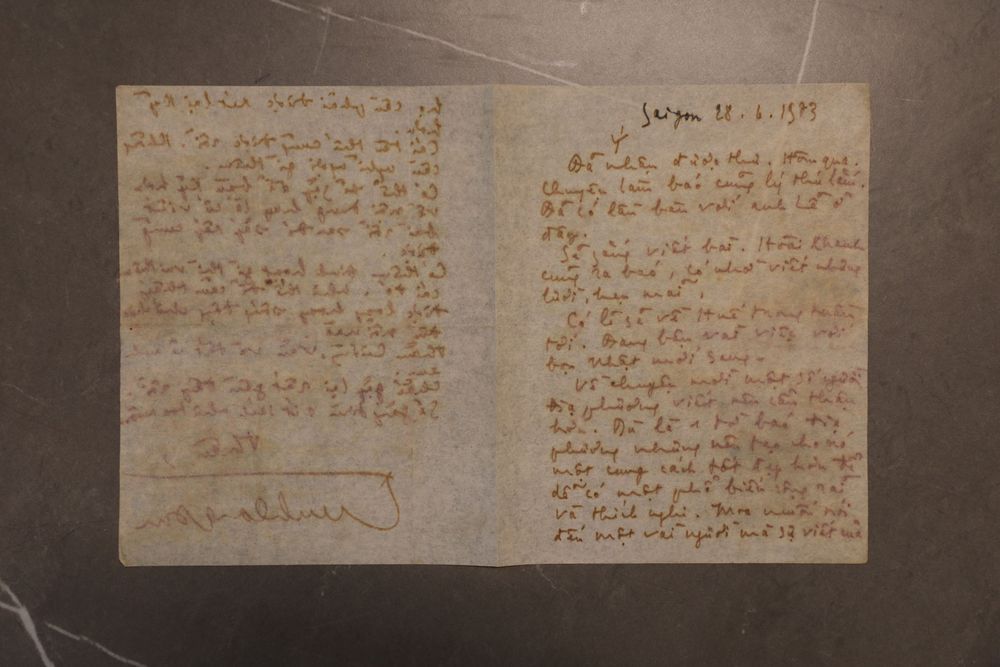
Letter from Trinh Cong Son to Buu Y, written in Saigon, on June 28th, 1973.
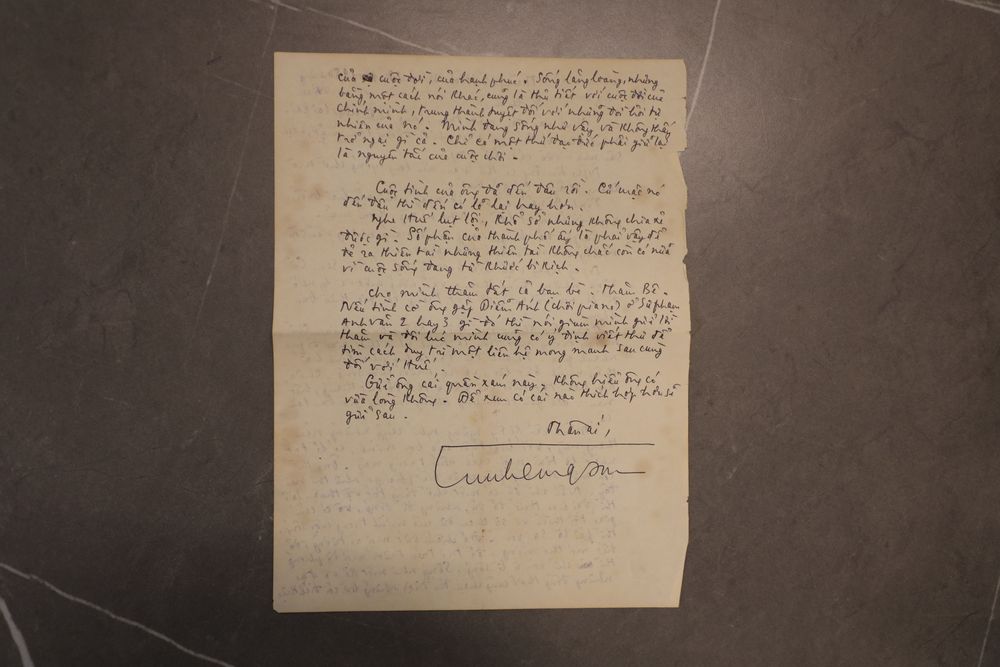
Letter from Trinh Cong Son to Buu Y, written in Ho Chi Minh City on November 27th, 1980.
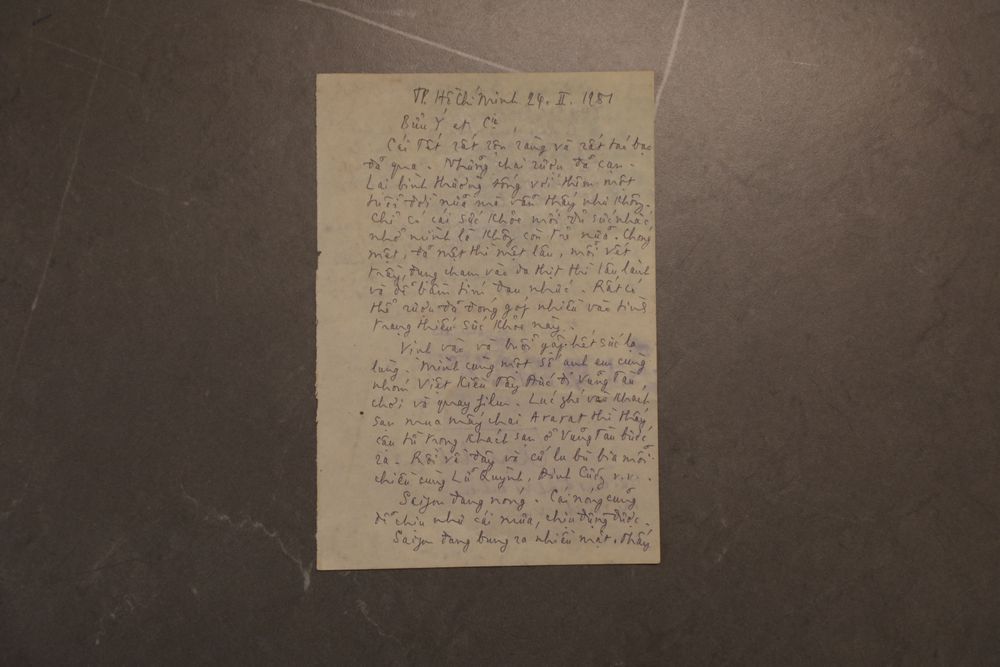
Letter from Trinh Cong Son to Buu Y, written from Ho Chi Minh City on February 24th, 1981.
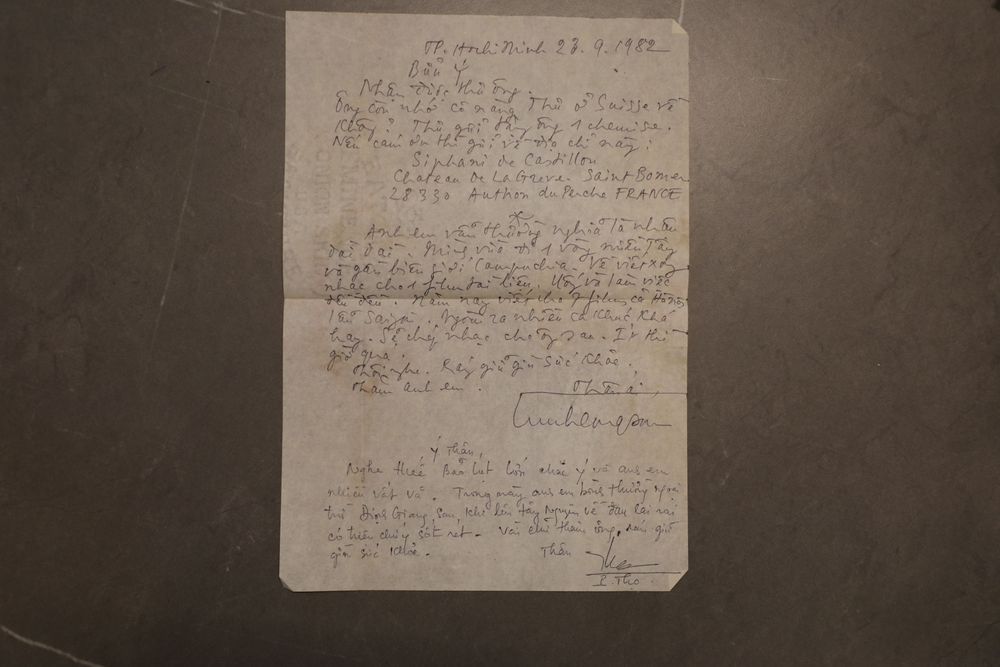
Letter from Trinh Cong Son to Buu Y, written from Ho Chi Minh City on September 23rd, 1982.
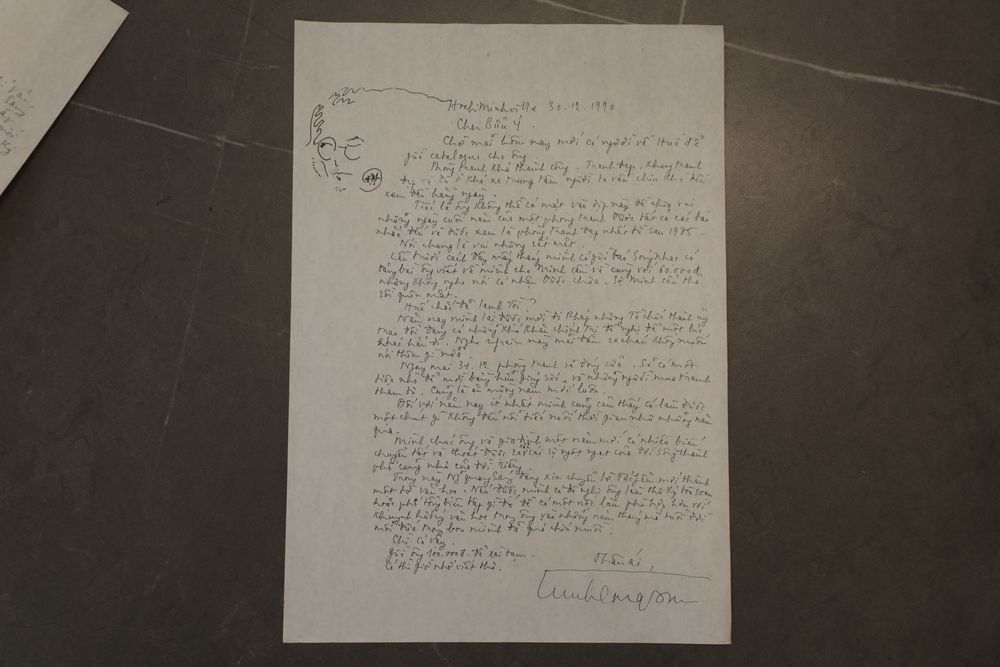
Letter from Trinh Cong Son to Buu Y, written in Ho Chi Minh City on December 30th, 1990.
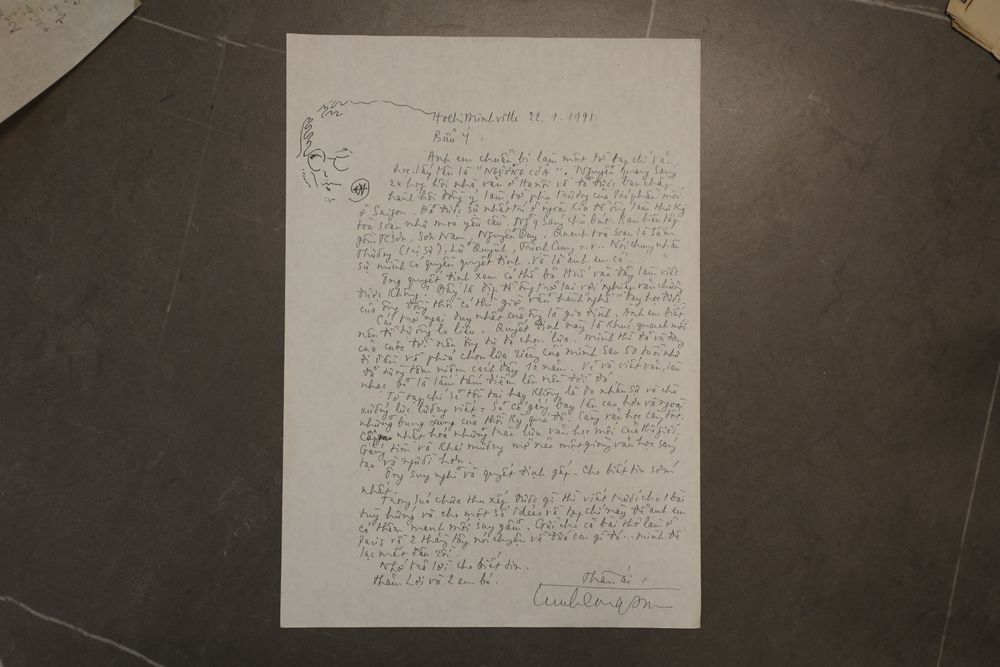
Letter from Trinh Cong Son to Buu Y, written in Ho Chi Minh City on January 22nd, 1991.